Senator Ningi Opposes Tinubu’s $21bn Foreign Loan, Citing Lack of Transparency and Economic Justification
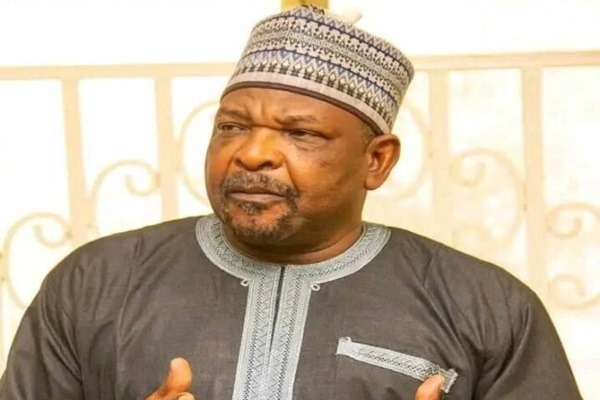 The senator representing Bauchi Central, Abdul Ningi, has strongly opposed the recently approved $21 billion foreign loan sought by President Bola Ahmed Tinubu’s administration, citing a lack of transparency, clarity of purpose, and sound financial justification.
Senator Ningi, widely respected for his consistent stance on fiscal accountability, raised concerns over the opaque nature of the loan process and the absence of an equitable distribution framework. He insisted that Nigerians deserve full disclosure regarding the specifics of the loans and their potential impact.
“We need to tell our constituents exactly how much is being borrowed in their name, and for what purpose,” he stated.
The loan, which forms part of the medium-term external borrowing plan covering 2022 to 2024, was passed by the Senate with the aim of funding infrastructure and social investment programmes. However, Ningi warned that beyond political rhetoric, Nigerians have a right to know how the funds will be allocated and what measurable benefits are expected.
“Transparency is not optional; it is constitutional,” he declared. “At a time when the country is struggling with inflation, high debt servicing costs, and declining purchasing power, any additional debt must be tied to real economic gains.”
His rejection of the loan has sparked renewed discussions within policy and economic circles, with several economists cautioning that Nigeria’s growing appetite for foreign debt must be handled with care. Many have applauded Ningi’s intervention, describing it as a timely check on executive power and a critical call for responsible legislative oversight.
Analysts also noted that Ningi’s objections reflect a deeper issue within Nigeria’s budgeting process—where loan approvals are often seen as routine procedures rather than weighty fiscal decisions with lasting implications for the nation’s economic sovereignty.