From Cells to Polls: Nigerian Inmates Win Right to Vote
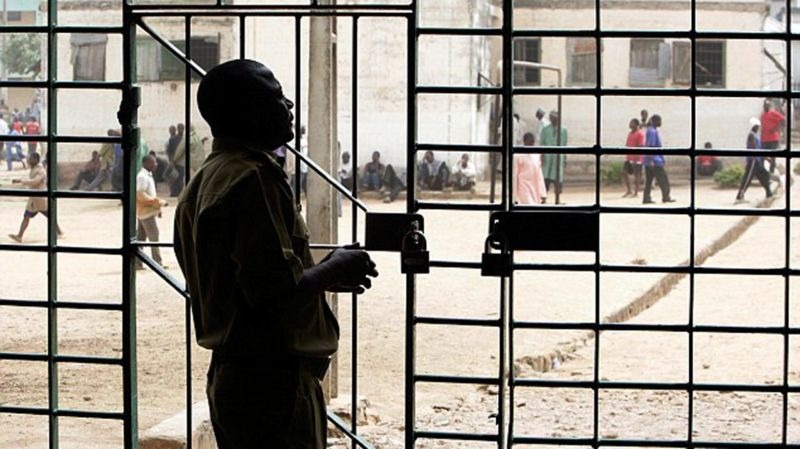 In a groundbreaking development for Nigeria’s democracy, the Independent National Electoral Commission (INEC) has announced it will allow prison inmates to vote in future elections, marking a bold shift in electoral inclusion.
INEC Chairman, Professor Mahmood Yakubu, disclosed the decision on Friday during a strategic meeting with the Comptroller General of the Nigeria Correctional Service, Sylvester Nwakuche, at the Commission’s headquarters in Abuja.
Yakubu cited a landmark Court of Appeal ruling that affirmed the constitutional right of inmates—particularly those awaiting trial—to register and participate in the voting process. “We respect the judgement and are committed to its implementation within the framework of the law,” Yakubu declared.
This decision is the culmination of a series of consultations between INEC and the Nigeria Correctional Service, aimed at ironing out the logistics. These include determining which categories of inmates are eligible, providing voting facilities inside correctional centres, and addressing concerns from political parties about transparency and security.
The INEC chairman emphasized that while the Commission is determined to uphold the rights of inmates, full implementation would require input from the National Assembly to align the initiative with existing legal frameworks.
Responding to the announcement, Comptroller General Nwakuche made a strong case for electoral justice, noting that over 81,000 inmates are currently in correctional centres nationwide—of which an estimated 66 percent are still awaiting trial. “These are Nigerians who have not been convicted and should not be stripped of their civil rights,” he said.
The ruling stems from a 2019 case where five inmates, on behalf of thousands, sued to be included in INEC’s voter register. The Court of Appeal in Benin upheld their right to vote, though it declined to compel INEC to establish voter registration centres inside prisons.
As Nigeria moves toward its next election cycle, this bold policy shift signals a major step toward inclusive democracy—one that may soon see ballots cast from behind prison walls.