Jonathan’s Rumoured 2027 Comeback: A Misguided Move That Shows Opposition’s Weakness, By Daniel Okonkwo
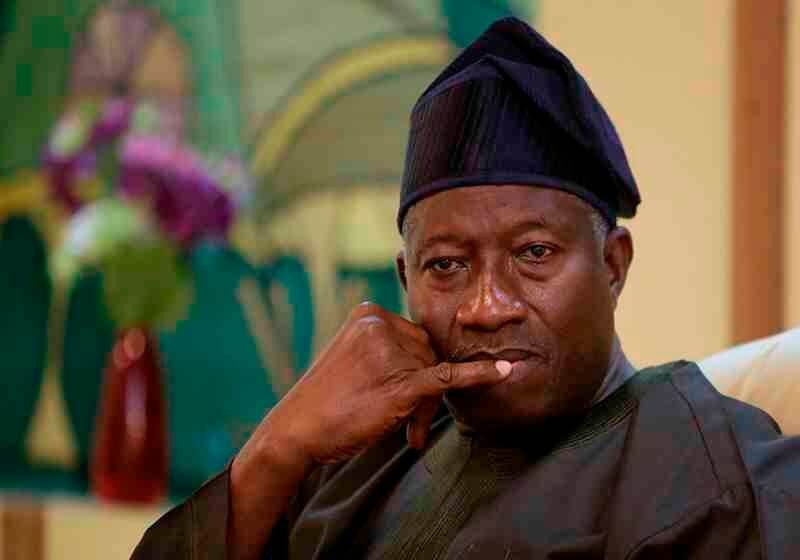 Speculations about former President Goodluck Jonathan making a political comeback in 2027 are making the rounds. While such rumours may excite a few nostalgic supporters, in reality, they are laughable and could easily pass as the biggest joke of the century.
Beyond the improbability of such a return, the fundamental question remains: What exactly would he come back to do differently?
Bringing the former president back cannot change the present realities of Nigeria. Even if it were possible to pull off, history and experience tell us that a Jonathan presidency again would not resolve the deep-seated problems plaguing governance in the country.
Incompetence of governance refers to the inability or failure of a government to effectively perform its functions and responsibilities, leading to negative consequences for its citizens. This can manifest as poor decision-making, lack of accountability, mismanagement of resources, and an inability to deliver essential public services. The effects are tangible erosion of public trust, hindered economic development, and rising social instability. Unfortunately, this has been the story of both past and current administrations.
During his time in office, did Jonathan’s government provide the essential public services Nigerians deserved such as functional healthcare, quality education, robust infrastructure, and effective security? The answer is sobering. These are not mere luxuries; their absence can have severe and lasting consequences for citizens.
Goodluck Jonathan became Nigeria’s substantive president in 2010 following the death of President Umaru Musa Yar’Adua. At the time, power generation in Nigeria stood at 3,000 megawatts. By the time he handed over to his successor in 2015, power generation had dropped to less than 2,000 megawatts an alarming decline in a country desperate for electricity to drive industrialisation and development.
To his credit, Jonathan made history in 2015 as the first Nigerian president to concede electoral defeat, allowing for a peaceful transfer of power to the opposition. In a country long plagued by vote-rigging and political violence, this act was commendable. However, it remains one of his few enduring political legacies and it is not, by itself, a reason to reinstall him as president nearly a decade later.
The idea of Jonathan’s return in 2027 is not rooted in a credible plan for Nigeria’s future but in political gimmickry. The opposition’s flirtation with this idea signals that they are neither prepared nor united in mounting a serious challenge to President Bola Ahmed Tinubu in the next election.
If the best the opposition can offer Nigerians is to recycle a leader under whose administration fundamental national problems worsened, then they have already lost the battle before it begins. Jonathan’s time has passed, and Nigeria’s challenges have evolved into even more complex forms that require fresh thinking, innovative leadership, and uncompromising accountability.
The 2027 election should be an opportunity for the opposition to present a bold, credible alternative to the ruling party a leadership that can inspire hope, restore public trust, and drive real reforms. Instead, the recycling of former leaders sends a signal of desperation and lack of vision.
By entertaining the notion of Jonathan’s return, the opposition risks alienating a generation of voters who are hungry for progress, not nostalgia. More importantly, they risk handing Tinubu an easy victory in 2027 not because of his strength, but because of their weakness
Nigeria’s future cannot and should not be built on political recycling. The challenges ahead demand leaders with new ideas, proven competence, and the political will to make tough, necessary decisions. Bringing back Goodluck Jonathan would not change the trajectory of the nation, it would merely confirm that the opposition is unprepared, uninspired, and unable to defeat Tinubu in 2027
For Nigeria to move forward, it must look beyond the past and insist on a future defined by competence, innovation, and genuine commitment to the welfare of its people. Anything less is a betrayal of the nation’s democratic hopes.
Daniel Okonkwo is a seasoned writer, human rights advocate, and public affairs analyst, renowned for his thought-provoking articles on governance, justice, and social equity. Through his platform, Profile International Human Rights Advocate, he consistently highlights pressing issues affecting Nigeria and beyond, amplifying voices that demand accountability and reform.
He is also a professional transcriptionist and a seasoned petitionist, with over 1,000 published articles credited to his name on Google.