Port Harcourt Refinery Shutdown Enters Second Month Amidst $1.5 Billion Corruption Probe
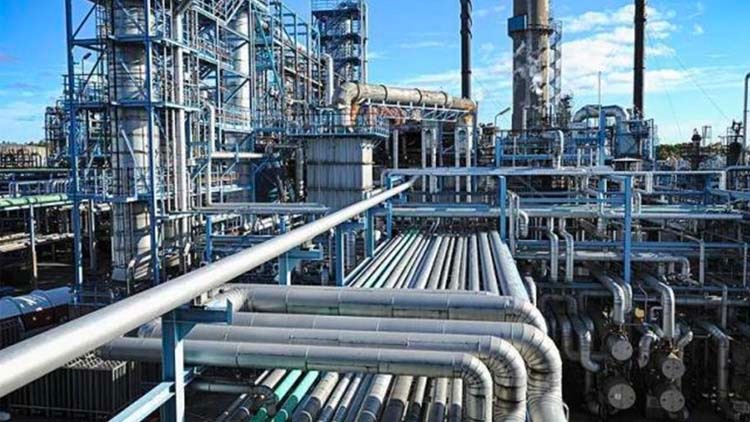 The Port Harcourt Refining Company (PHRC) has remained shut for over a month now, deepening concerns about Nigeria’s troubled refinery rehabilitation efforts. Originally scheduled as a 30-day maintenance exercise, the facility continues to sit idle with no clear timeline for reopening, and the Nigerian National Petroleum Company Limited (NNPCL) has yet to provide an official update.
Declared operational in November 2024 by then NNPCL Group Chief Executive Officer Mele Kyari after years of dormancy, the refinery was touted to be running at 70 percent of its 60,000 barrels-per-day capacity, producing key petroleum products such as diesel, kerosene, premium motor spirit (PMS), and fuel oil.
However, on May 24, 2025, the NNPCL ordered a “planned maintenance shutdown,” promising a month-long pause to ensure the plant’s optimal performance. Olufemi Soneye, former Chief Corporate Communications Officer at NNPCL, assured the public that the company was collaborating with regulators like the Nigerian Midstream and Downstream Petroleum Regulatory Authority to maintain transparency and efficiency during the process.
Despite these assurances, the refinery remains non-operational more than a month later. Fuel retailers in Eleme and Okrika communities, near the refinery, have voiced fears of impending fuel shortages and price hikes, urging the NNPCL to safeguard supply during the ongoing shutdown.
The extended closure arrives amid an intensifying investigation by the Economic and Financial Crimes Commission (EFCC) into alleged corruption involving $1.5 billion spent on refinery turnaround maintenance. The probe covers not only PHRC but also the Warri and Kaduna refining companies, uncovering suspicious fund mismanagement totaling nearly $3 billion.
Sources reveal that one of the sacked managing directors had N80 billion mysteriously parked in personal accounts, raising serious questions about the accountability of NNPCL leadership. The investigation reportedly involves Mele Kyari and 13 other former senior executives.
A source close to the EFCC investigation lamented, “The lack of transparency and accountability in the management of the refineries has been a recurring issue. This shutdown only highlights the urgent need for a thorough probe.”
As the Port Harcourt refinery remains offline, Nigerians anxiously await answers — and relief — amid growing fears of fuel scarcity and economic fallout.