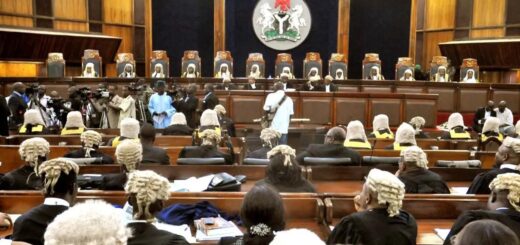
“Senate Defends N360bn Budget Increase for Rivers Amid Constitutional Storm”
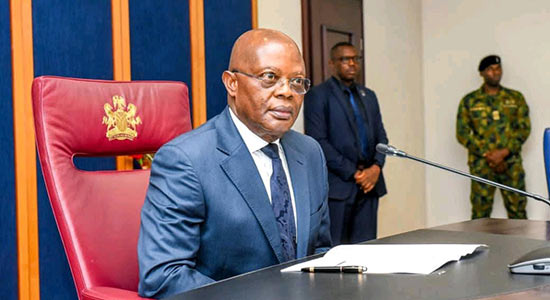 In a politically charged move, Vice Admiral Ibok-Ete Ibak, the embattled Sole Administrator of Rivers State, has presented a revised 2025 budget of ₦1.846 trillion to the Senate Ad-hoc Committee on Oversight—an increase of ₦360 billion from the original ₦1.486 trillion estimate submitted by President Bola Tinubu.
The development, though mired in constitutional controversy, has drawn backing from the Senate committee, which defended the upward review as necessary to address urgent issues in the state, ranging from pension arrears to infrastructure development.
Senator Opeyemi Bamidele, Chairman of the Ad-hoc Committee, described the revision as not only justified but also morally sound, especially in view of the ₦50 billion allocated for clearing pension and gratuity arrears owed to retired state workers.
“These are citizens who served their state diligently and have waited far too long for their entitlements,” Bamidele stated. “We see this move as both a moral obligation and a peace-building effort.”
According to Bamidele, over 70% of the total budget is dedicated to capital projects, while less than 30% will go to recurrent spending such as salaries and overhead. He praised this as a strategic shift toward infrastructure and economic revitalization.
“If our budgets focus more on capital projects, our people will see and feel the dividends of democracy,” he added.
Despite ongoing legal questions surrounding the legitimacy of Admiral Ibak’s appointment—many critics and constitutional experts have branded it unconstitutional emergency governance—the Senate appeared more focused on fiscal execution than legality.
Senate Leader Opeyemi Bamidele assured the public that the Ad-hoc Committee would strictly monitor the implementation of the budget to ensure transparency, accountability, and real impact on citizens’ lives.
“Our engagement on the Rivers State 2025 Appropriation Bill does not end here,” he said. “We will track how allocated resources are used—project by project, sector by sector—to ensure transparency and uphold accountability.”
He emphasized that budget performance would be evaluated through timelines, disbursement rates, and delivery outcomes, noting that in periods of political turbulence, government actions must remain people-centered and measurable.
“The real test of this budget is not in the numbers but in the outcomes. Will it deliver better roads, healthcare, schools, security, and livelihoods for the people of Rivers State?” he asked. “That is how we build trust in government.”
The budget’s passage and the Senate’s active oversight are set against the backdrop of Rivers State’s ongoing governance crisis, with political factions still disputing the legitimacy of current leadership.