Trapped, Hungry, and Afraid: Sudan’s Women and Children Bear the Brunt of War
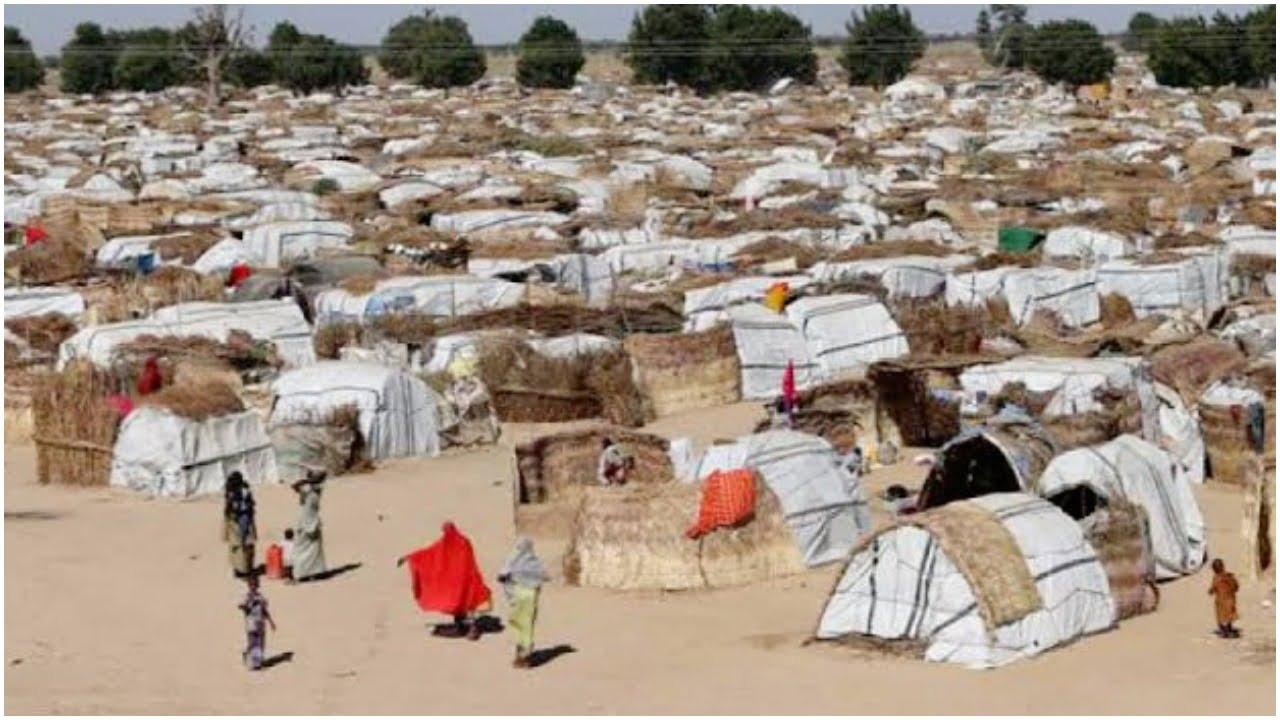 Sudan’s Deepening Crisis: Civilians Eat Animal Feed as Women Face Rising Threats
Civilians in war-ravaged Sudan are now resorting to eating animal feed to survive, as starvation tightens its grip on the region, particularly in the besieged city of El Fasher, United Nations officials revealed Thursday.
Speaking at UN Headquarters in New York, Deputy Spokesperson Farhan Haq painted a grim picture of escalating food shortages and skyrocketing prices. “The situation is catastrophic,” Haq said. “People in El Fasher are reportedly eating animal feed to stay alive.”
The Office for the Coordination of Humanitarian Affairs (OCHA) warned that hunger is growing at a dangerous pace, with little to no aid able to reach the city due to over a year of siege. The cost of basic necessities in El Fasher has surged to nearly $1,000 per household per month, including a staggering $700 for food alone — more than eight times the cost in other parts of Sudan.
“These extreme prices and the ongoing blockade have left thousands teetering on the brink of starvation,” Haq emphasized, calling for renewed international efforts to push for a humanitarian pause.
On the ground, Edem Wosornu, OCHA’s Director of Operations and Advocacy, described the situation as dire. She highlighted the plight of people who are either trapped, displaced, or returning to towns and villages that have been reduced to rubble. She urged for unrestricted humanitarian access to reach those who need help the most.
Amid the unfolding crisis, UN Women has declared the situation a “gender emergency.” Women and girls, already displaced and vulnerable, face an increasing risk of exploitation and abuse, particularly during aid delivery where protections are lacking.
“This is a gender emergency,” said Salvator Nkurunziza, the agency’s representative in Sudan. “Weak or nonexistent safety measures put women and girls at grave risk in a country where help is both urgent and elusive.”
As Sudan’s war grinds on, the cries for food, safety, and dignity grow louder — and the world is being urged not to look away.