We sent ‘shivers down the spine’ of vote-buyers in 2023 elections – EFCC
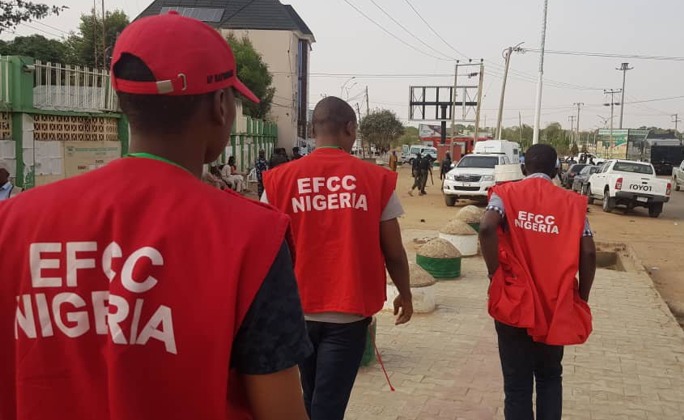
Acting Chairman of Economic and Financial Crimes Commission’s (EFCC), Abdulkarim Chukkol, has said the Commission’s efforts to combat vote-trading in Nigeria’s 2023 general election sent ‘shivers down the spines’ of would-be offenders.
Speaking at a symposium held in Abuja on Thursday, Chukkol highlighted the commission’s role in ensuring the integrity of the electoral process and emphasized the need for voter education on the detrimental effects of vote-buying.
The symposium, organized by the African Union Development Agency-New Partnership for Africa’s Development (AUDA-NEPAD) Nigeria, focused on election monitoring and observation, using the 2023 general elections as a case study.
He said, “The twin evils that plague the conduct of free and fair elections are violence and vote-buying. EFCC supported the 2023 election by deploying its operatives across the country to prevent the issue of vote-buying, effect arrests of vote-traders, and prosecute those found culpable.
“Quite a number of arrests have been made as we conducted investigations, and some of the individuals are currently being prosecuted. In Gombe, a councillor was arrested, investigated, prosecuted, and subsequently convicted.
“Merely our presence sent shivers down the spines of many individuals who arrived at the polling units with the intention of engaging in vote-buying and vote-selling.
“We must continue to raise awareness among Nigerian voters about the detrimental effects of vote-buying, as it contributes to poor governance. Furthermore, we should advocate for significant reforms to impose stricter penalties for vote-trading.
“If the cashless policy is strategically planned and implemented, it will serve as a valuable tool in curbing vote-buying.”
In her remarks, the National Coordinator/Chief Executive Officer of AUDA-NEPAD, Princess Gloria Akobundu, underscored the significance of the 2023 elections in Nigeria’s democratic journey.
She noted, “It marked 24 years of uninterrupted democracy, the longest stretch since the country attained independence in 1960.”
Akobundu stated that despite the nation’s challenges, this achievement is an affirmation of the country’s thriving democracy.
She also highlighted the role of AUDA-NEPAD’s Situation Room in providing real-time feedback during the elections, which contributed to the preparation of a comprehensive monitoring and observation report.
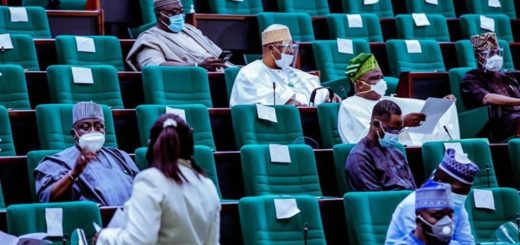
The symposium brought together stakeholders, including the Christian Association of Nigeria (CAN), the Independent Corrupt Practices and Other Related Offences Commission (ICPC), the National Youth Service Corps (NYSC), the Armed Forces and other Security Agencies.
All parties agreed on the need for thorough electoral reforms and greater efforts to ensure equity, fairness, and the equitable distribution of resources.
Archbishop Daniel Okoh, the CAN President, said: “The Christian Association of Nigeria stands in support of all efforts aimed at achieving equity, fairness, and the equitable distribution of resources.”
Meanwhile, Mr. Kingsley Obi, Head of External Cooperation in ICPC, proposed an amendment to the Electoral Act and the Constitution to improve the electoral process and enforce stricter penalties for election-related offences.
Other stakeholders expressed hope that as Nigeria looks forward to its off-season elections in Imo, Kogi and Bayelsa states, the symposium’s recommendations will serve as a roadmap for ensuring free and fair elections, reinforcing the country’s commitment to democratic principles.