Agencies partner to empower IDPs through agriculture
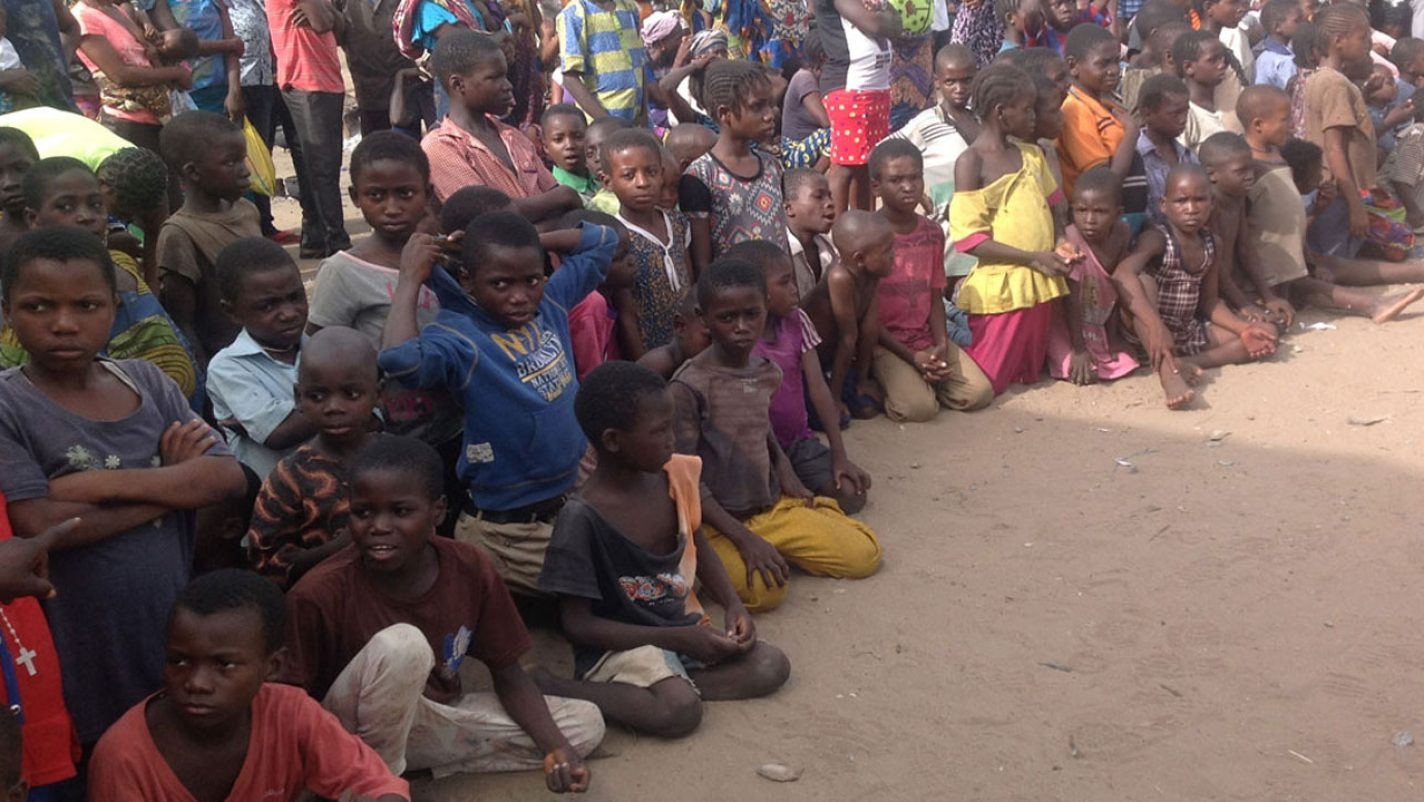 The event, at National Assembly Library and Resource Centre yesterday, was a collaboration under President Bola Tinubu’s “Renewed Hope” to restore livelihoods and empower displaced communities.
Executive Secretary of NALDA, Cornelius Adebayo, described the agreement as more than a legal instrument.
He said it was a declaration to tackle hardship faced by refugees, migrants, and IDPs.
Adebayo noted that these individuals were not merely statistics but people with dreams, potential, and aspirations.
He said the Renewed Hope Restoration Project will provide vocational training in modern farming techniques, access to land, input financing, infrastructure, market linkages, and technical support.
The initiative aligns with NALDA’s mission to drive agricultural development and rural empowerment while integrating displaced persons into agricultural value chain.
“This project will transform barren fields into fertile grounds for growth, prosperity, and hope,” he said.
He added that it will help beneficiaries achieve economic independence and contribute to national food security.
The executive secretary commended the collaboration between government agencies, local authorities, and other stakeholders, stressing the project’s success will require collective commitment.
He hailed NCFRMI and other partners, reiterating the shared vision of restoring hope, rebuilding lives, and empowering communities.
He said the partnership was a step toward sustainable solutions for displaced persons, transforming challenges into opportunities while advancing agricultural development.
Federal Commissioner and Chief Executive Officer of NCFRMI, Tijani Ahmed, described the occasion as a turning point in addressing the plight of the displaced.
He said the partnership seeks to create cluster farms where IDPs can cultivate crops, learn agricultural best practice, and regain financial independence.
The commissioner noted the success of previous initiatives, such as Renewed Hope Agricultural Empowerment Project for IDPs (REHAEPI), which involved 1,000 IDPs farming 500 hectares of land in Nasarawa, Plateau, and Borno states.
Harvest from these farms was launched in Maiduguri and Jos, demonstrating the potential of agricultural empowerment to restore livelihoods.
“This partnership will not only provide a durable solution for IDPs but will also contribute to Nigeria’s agricultural revolution,” he said.
Ahmed noted importance of agriculture as a cornerstone of the economy, contributing over 65 per cent to GDP.