Obasanjo’s Criticism of NNPCL Revealed as Personal Vendetta, Says Anti-Corruption Group
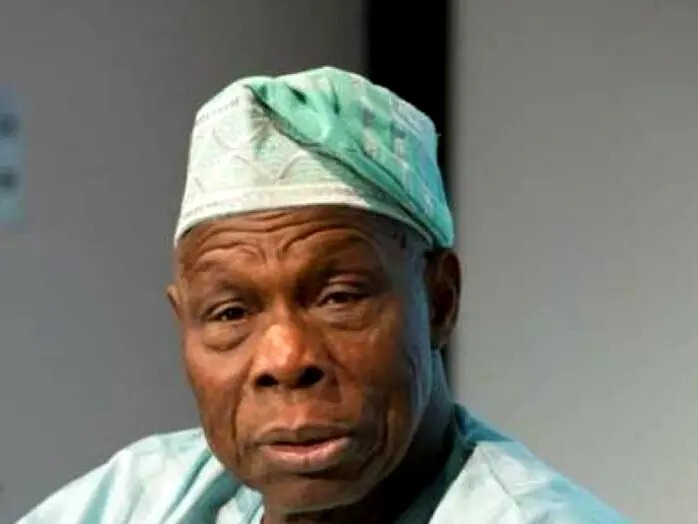 The Movement for Anti-Corruption, Integrity, and Transparency Initiative has strongly condemned former President Olusegun Obasanjo’s recent remarks about Nigeria’s state-owned refineries. In a statement issued on Sunday, the group accused Obasanjo of using his public platform to disparage the Nigerian National Petroleum Corporation (NNPC) and its efforts to revive the country’s refineries.
Obasanjo had earlier revealed in an exclusive interview with Channels Television that the Nigerian National Petroleum Corporation (NNPC) rejected a $750 million offer from billionaire Aliko Dangote to manage the Port Harcourt and Kaduna refineries back in 2007. He criticized the NNPC for turning down the offer, stating that the corporation lacked the capacity to manage the refineries at the time.
Furthermore, Obasanjo called an invitation from the Nigerian National Petroleum Company Limited (NNPCL) to tour the newly revived Port Harcourt and Warri refineries “disrespectful.” This came after NNPCL invited the former president to visit the revamped facilities following his accusations against the company.
In response, the Movement for Anti-Corruption, Integrity, and Transparency Initiative issued a joint statement signed by its National President, Comrade Goodway Jackson, and Secretary General, Comrade Mohammed Kuda. The group accused Obasanjo of harboring a personal vendetta against NNPCL and state-owned refineries, revealing that his criticism may not be motivated by a desire to improve the country’s oil sector, but by longstanding grudges after leaving office.
The statement explained that Obasanjo’s disdain for the state refineries stems from the reversal of the Port Harcourt Refinery’s sale to a consortium under former President Umaru Musa Yar’Adua. After Obasanjo’s tenure, Yar’Adua overturned the controversial sale, which had raised concerns within the public and the oil industry. Despite opposition from trade unions like the National Union of Petroleum and Natural Gas Workers (NUPENG) and the Petroleum and Natural Gas Senior Staff Association of Nigeria (PENGASSAN), Obasanjo had been strongly in favor of privatizing the refineries.
The group further stated that those pushing for the privatization of the refineries, which they view as being against the national interest, should instead focus on establishing their own refineries, similar to what Dangote Group has done.
Additionally, renowned human rights lawyer, Femi Falana, SAN, recently revealed that former President Umaru Yar’Adua’s reversal of the Port Harcourt refinery sale was a crucial step in addressing legal and ethical issues surrounding the privatization, safeguarding Nigeria’s national interests.
This fresh controversy over the state-owned refineries adds another layer to the ongoing debate surrounding the privatization of Nigeria’s oil sector, and the critics who argue against it are increasingly questioning the motivations behind those pushing for change.