Petrol Price Drop Not Reflected in Transport Fares, Nigerians Complain
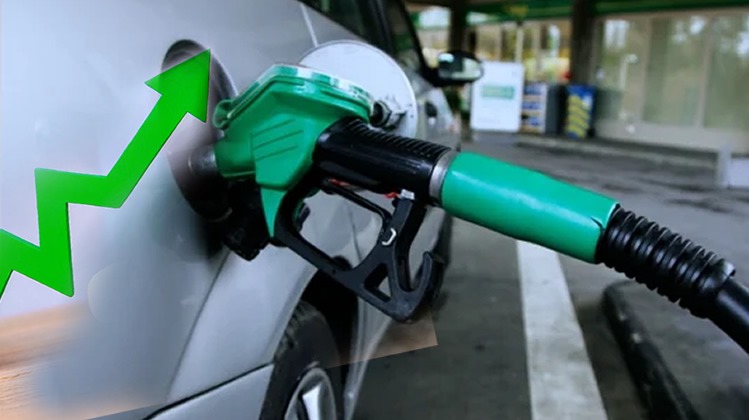 Despite the recent reduction in the price of petrol, Nigerians have expressed frustration over the failure of transporters to adjust transport fares accordingly.
On December 19, 2024, the Dangote refinery reduced the ex-depot price of petrol from N970 to N899.50 per litre, sparking intense competition among players in the downstream sector. This prompted the Nigerian National Petroleum Corporation Limited (NNPCL) to follow suit, lowering its ex-depot price to N899 per litre. Additionally, Dangote announced its partnership with MRS Petrol stations to sell petrol at N935 per litre across the country, a move that was initially welcomed by Nigerians.
However, many Nigerians have lamented that the reduction in fuel prices has not translated into lower transport fares. On social media platform X (formerly Twitter), users voiced their frustration, highlighting that despite the fall in petrol prices, transporters have failed to adjust fares, and in some cases, fares have continued to rise.
One user, #AsiwajuOladimeji, pointed out that transport fares were raised when fuel prices spiked to N1,200 per litre, but now that the price has dropped, transport fares remain unchanged. Similarly, #Arakunrin noted that while the normal fare between Oshodi and Iyana-Ipaja was N500 before the fuel price hike, it soared to N700 and is now at N1,000, despite the reduction in fuel costs.
Other users, including #Brendan Champion, argued that the reduction in fuel price was too slight to warrant a significant drop in transport costs. Meanwhile, #Undisputed suggested that to see a real reduction in fares, petrol prices would need to return to pre-crisis levels.
#Wemmy commented that although the increase in transport fares after the fuel price rise was significant, it never reached the same percentage as the hike in fuel prices. Similarly, #Agha Nigerian highlighted that some transport fares, such as from Berger to Mowe, had reached N1,000, which he attributed to events at the Redeem Camp, further exacerbating the issue.
In response, Mr. Dele Oye, President of the National Association of Chambers of Commerce, Industry, Mines, and Agriculture (NACCIMA), attributed the challenges to the country’s reliance on the dollar. He explained that the price of the dollar has a major impact on goods and services, including fuel and transportation. Oye also noted that Nigeria’s limited production capacity and dependence on imports exacerbate the situation, stating that the country’s production capacity barely meets 30% of its needs.
Oye called for the provision of single-digit capital to boost production and reduce Nigeria’s reliance on imports, suggesting that this would help stabilize prices and improve the nation’s economy.